SAIL has co-authored an article with TermCon, published September 7 under the title "Before You Prompt: Why Privacy Belongs in AI Literacy." It argues for something our own curriculum had been treating as a footnote: that what happens to what you type into a chatbot is part of AI literacy, not a separate subject.
The case is straightforward once stated. Students talk to chatbots the way they would talk to a search bar or a friend, and the feeling of privacy is strong — it is a text box, the reply comes back only to you, nothing seems to be recorded. But every one of those tools operates under terms that spell out what is collected, how long it is kept, and what it may be used for. A 2026 Pew survey found 64% of American teens use AI chatbots, for everything from homework to conversations they would not have out loud. Almost none of them have read a word of those terms.
This is recognized ground, not a fringe worry. UNESCO's 2024 AI Competency Framework for students names privacy as part of AI ethics, and the FTC has opened an inquiry into seven chatbot companies over how they handle personal data and what safeguards exist for minors. The gap is not that the issue is unacknowledged; it is that almost nobody is teaching it to the students actually using these tools.
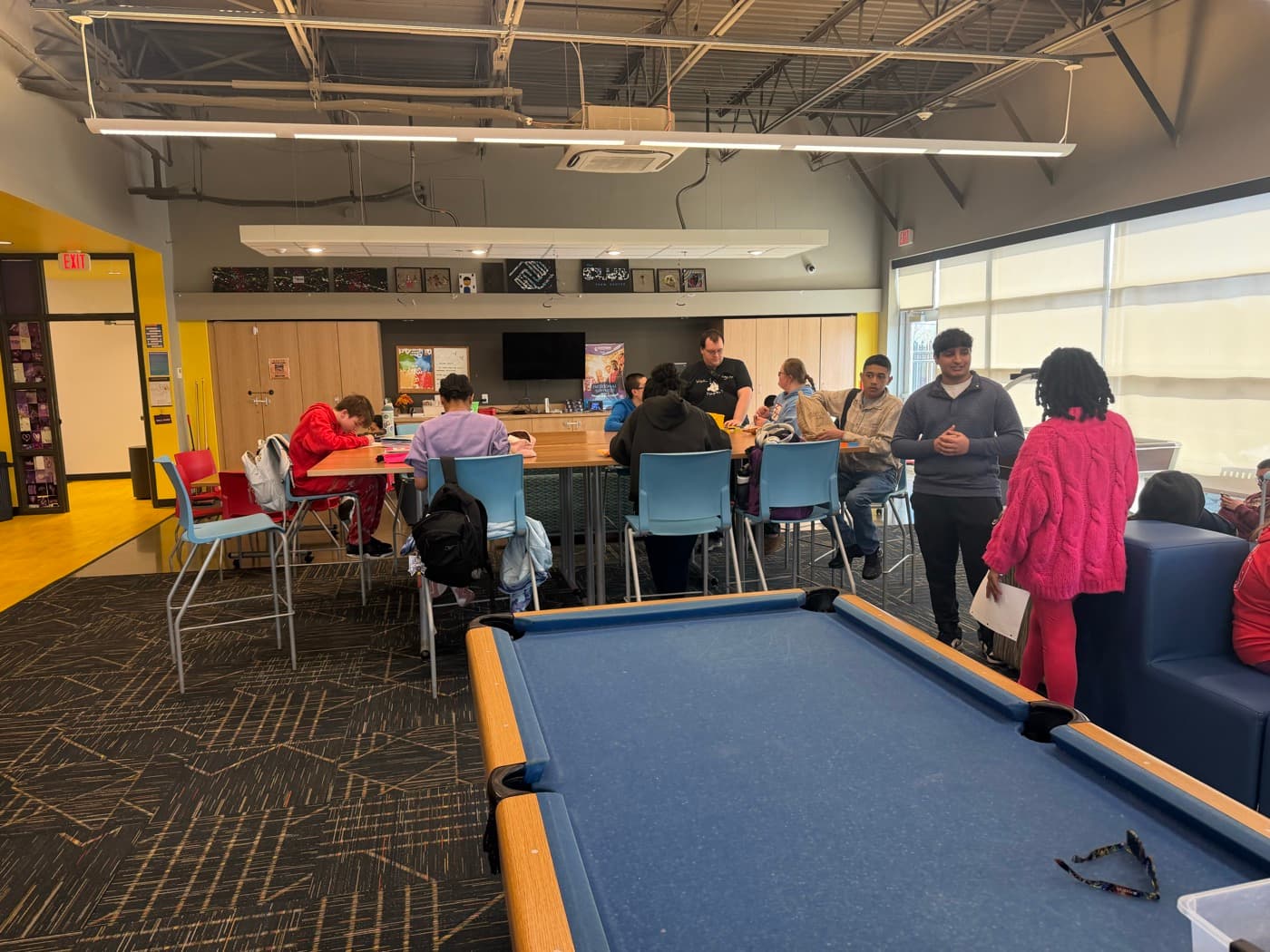
The article's practical half is where our two organizations meet. TermCon builds tools for analyzing policy documents — the dense, deliberately unreadable text that nobody gets through. SAIL runs discussion-based workshops for students. Together we built sessions where students use TermCon's tools to actually read what a chatbot's terms say, then decide as a group whether that tool belongs anywhere near a particular assignment.
The technique we keep coming back to is data minimization, and it teaches well because it is concrete. Before sending a prompt, take out what the model does not need: your full name, your school, the name of the friend the situation is actually about. Students grasp it immediately, and it is a habit rather than a rule — it survives contact with whatever tool replaces the current one.
A school can do a version of this in one class period. Take a chatbot's privacy policy, put students in groups, and have them find one thing that surprises them. Then run a redaction exercise: here is a prompt a student might really send, cross out everything that does not need to be there. That is the whole lesson, and it changes how students type for a long time afterward.
The full article is available at termcon.app/before-you-prompt.